

 Alert!

How AML Awareness Helps Businesses Prevent Financial Crime in 2026
Anti Money Laundering
June 06, 2026
February 12, 2024


- Understanding AML Awareness in Modern Compliance Frameworks
- Why AML Awareness Matters More in 2026
- Financial Crime Risks Businesses Commonly Face
- The Role of AML Awareness in Risk Identification
- Strengthening Customer Due Diligence Through AML Awareness
- Improving Transaction Monitoring and Ongoing Surveillance
- Strengthening Sanctions, PEP, and Adverse Media Controls
- Building a Strong Compliance Culture Across Organizations
- AML Watcher Solutions for Modern Compliance Challenges

Financial crime in 2026 is no longer limited to conventional laundering techniques or isolated fraudulent transactions. Criminal networks are increasingly using digital ecosystems, automated tools, and cross-border structures to conceal illicit funds. AI-generated identities, synthetic profiles, and layered corporate structures have significantly complicated detection for compliance teams.
At the same time, businesses continue to expand their digital operations, real-time payments, and global customer bases. While these advancements improve efficiency, they also create new exposure points for financial crime risks. Regulators across global jurisdictions are responding with stricter expectations around transparency, customer verification, and continuous monitoring.
In this evolving environment, traditional compliance models are no longer sufficient. Organizations require a deeper understanding of financial crime risks across all business functions. AML awareness has therefore become a foundational requirement, helping businesses recognize risk patterns early and strengthen their overall compliance posture.
Understanding AML Awareness in Modern Compliance Frameworks
AML awareness refers to understanding the risks of money laundering, regulatory expectations, and internal compliance obligations that help organizations detect and prevent financial crime. It extends beyond policies and systems, focusing on how well employees and decision-makers understand risk signals in daily operations.
This includes awareness of suspicious transaction behavior, customer risk indicators, sanctions exposure, and reporting obligations. When embedded correctly, AML awareness becomes part of organizational culture rather than a standalone compliance function.
In modern compliance frameworks, AML awareness supports both prevention and detection. It ensures that employees across departments can identify potential red flags and escalate concerns appropriately. This reduces dependency on reactive investigations and strengthens proactive risk identification. As financial crime becomes more sophisticated, organizations that invest in structured AML awareness programs are better positioned to maintain compliance resilience and reduce regulatory exposure.
Why AML Awareness Matters More in 2026
The regulatory environment in 2026 is significantly more demanding than in previous years. Authorities expect organizations to demonstrate not only compliance but also proactive risk management capabilities. This shift places greater emphasis on AML awareness across all levels of business operations.
Financial crime techniques have also evolved, with criminals exploiting weaknesses in onboarding systems, transaction monitoring tools, and cross-border payment networks. Without strong AML awareness, employees may overlook early warning signs, allowing risks to escalate into serious compliance violations.
Another key factor is the increasing scrutiny from global regulators such as FATF-aligned frameworks and regional AML directives. Businesses are expected to maintain continuous monitoring and demonstrate accountability in identifying suspicious activity. AML awareness helps organizations meet these expectations by ensuring that compliance responsibilities are clearly understood and consistently applied across teams.
Financial Crime Risks Businesses Commonly Face
Organizations today face a wide range of financial crime risks that continue to grow in complexity. One of the most common challenges is detecting suspicious activity during early customer interactions. Without proper AML awareness, subtle indicators of risk may go unnoticed during onboarding or transaction reviews.
Another significant risk involves high-risk customers such as politically exposed persons (PEPs), sanctioned individuals, or entities linked to adverse media. Managing these relationships requires a strong understanding of regulatory requirements and risk-based decision-making.
Additionally, businesses face exposure to evolving fraud techniques, including identity manipulation, synthetic identities, and shell company structures. These methods are specifically designed to bypass traditional compliance controls. As a result, organizations must develop stronger awareness frameworks that enable employees to recognize these risks early and take appropriate action before financial or regulatory damage occurs.
The Role of AML Awareness in Risk Identification
AML awareness plays a critical role in strengthening risk identification across business operations. When employees understand how financial crime manifests, they are better equipped to detect unusual behavior, inconsistent documentation, or suspicious transaction patterns.
Risk identification is not limited to compliance teams. It extends to onboarding staff, customer support teams, and transaction monitoring units. Each interaction with a customer provides an opportunity to identify potential risks. AML awareness ensures these opportunities are not missed.
In addition, awareness improves the effectiveness of AML risk assessments by helping teams evaluate customer profiles more accurately. This includes understanding ownership structures, transaction behavior, and geographic risk factors. When risk identification is consistent across departments, organizations can respond more quickly and reduce exposure to financial crime threats.
Strengthening Customer Due Diligence Through AML Awareness
Customer due diligence is a core component of any AML framework, and AML awareness significantly improves its effectiveness. When compliance teams understand risk indicators, they can evaluate customers more accurately during onboarding and ongoing reviews.
This includes identifying discrepancies in customer information, understanding beneficial ownership structures, and assessing the legitimacy of business activities. Without proper AML awareness, these critical checks may be incomplete or inconsistent.
Strong awareness also helps organizations implement a risk-based approach to onboarding. High-risk customers require enhanced due diligence, while lower-risk customers may follow standard verification procedures. This structured approach reduces operational inefficiencies while maintaining strong compliance standards. Ultimately, AML awareness ensures that customer due diligence is not treated as a procedural task but as a key risk management function.
Improving Transaction Monitoring and Ongoing Surveillance
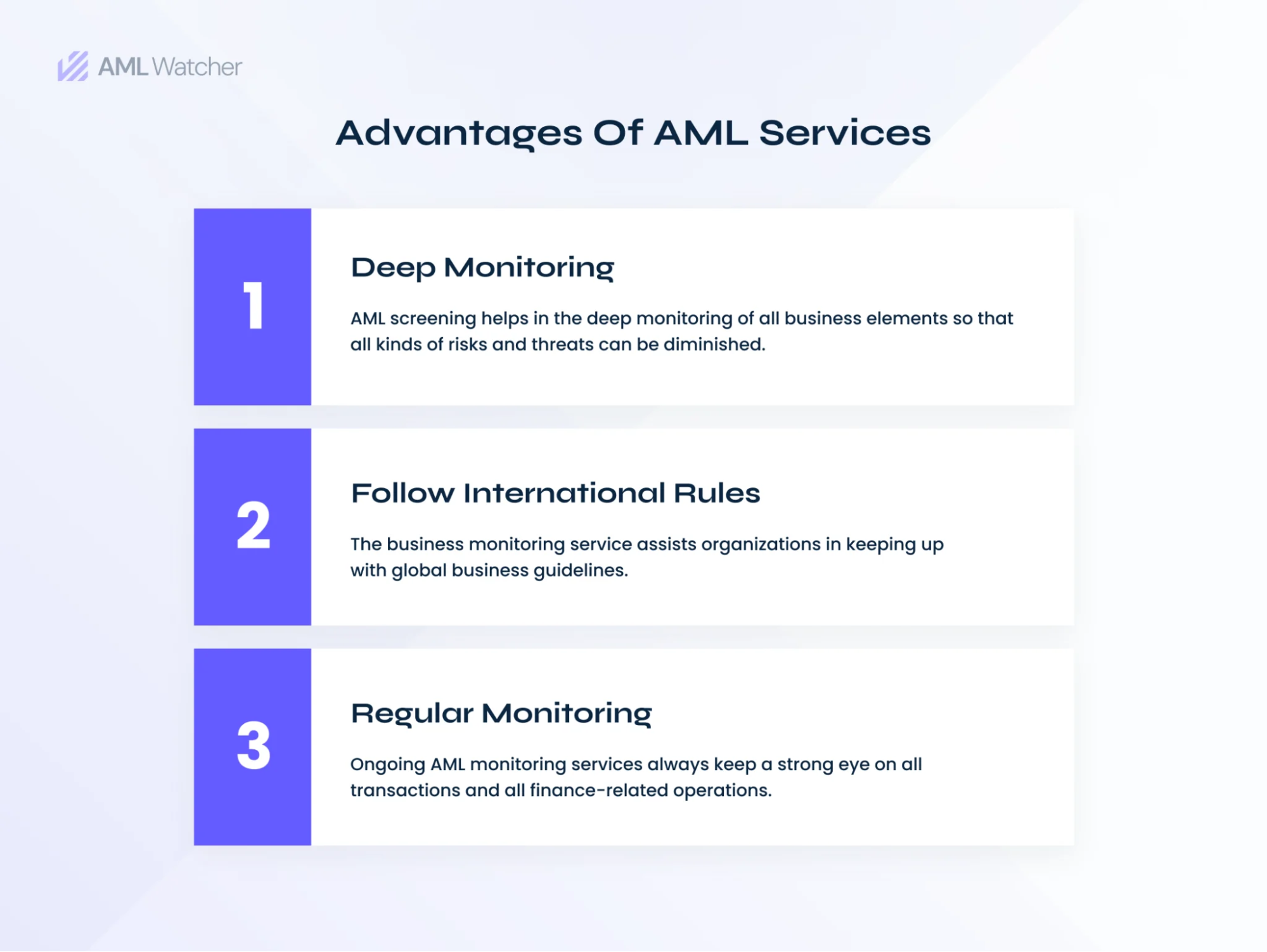
Transaction monitoring is essential for identifying suspicious activity after onboarding, and AML awareness strengthens its effectiveness significantly. Employees who understand financial crime patterns are more likely to recognize unusual transaction behavior and escalate concerns appropriately.
Ongoing monitoring ensures that customer activity remains consistent with expected behavior. Any deviation may indicate potential financial crime risks, requiring further investigation. AML awareness helps teams interpret these deviations correctly and respond in a timely manner.
In addition, financial crime techniques continue to evolve, making static monitoring systems less effective. Awareness ensures that compliance teams remain alert to new typologies and emerging risk trends. This improves the organization’s ability to maintain continuous surveillance and respond to threats before they escalate into regulatory or financial consequences.
Strengthening Sanctions, PEP, and Adverse Media Controls
Sanctions compliance and PEP screening are critical areas of modern AML frameworks. AML awareness helps organizations understand why these controls are necessary and how they should be applied consistently.
Employees involved in onboarding and compliance processes must be able to identify politically exposed persons, sanctioned entities, and adverse media risks before establishing business relationships. Failure to do so can result in regulatory penalties and reputational damage.
Awareness also ensures that screening results are interpreted correctly. Not every match represents a confirmed risk, but every potential match requires appropriate review. This understanding helps organizations avoid both false positives and compliance failures. As regulatory expectations continue to expand globally, strong AML awareness becomes essential for maintaining effective sanctions and risk screening controls.
Building a Strong Compliance Culture Across Organizations
AML awareness contributes directly to building a strong compliance culture within organizations. When employees understand their role in preventing financial crime, compliance becomes an integrated part of daily operations rather than a separate function.
This cultural shift encourages consistent reporting of suspicious activity, accurate documentation, and adherence to internal procedures. It also reduces the likelihood of compliance gaps caused by oversight or misunderstanding.
Regulators increasingly evaluate not only systems and processes but also organizational culture when assessing AML effectiveness. A strong culture of awareness demonstrates accountability and reduces the risk of enforcement actions. Over time, this leads to stronger governance, improved operational discipline, and better alignment with global regulatory expectations.
AML Watcher Solutions for Modern Compliance Challenges
Financial crime risks continue to evolve, while regulatory expectations around AML compliance are becoming more demanding. Many businesses struggle to maintain visibility into customer risks, monitor suspicious activity effectively, and keep pace with changing compliance obligations. Without a proactive approach, these challenges can lead to regulatory scrutiny, financial losses, and reputational damage.
AML Watcher helps businesses strengthen AML compliance through advanced screening, risk monitoring, sanctions and PEP checks, adverse media screening, and ongoing customer due diligence.
- No commitment needed
- Complete AML Database at your service
- Access our all-in-one dashboard


Tier-2 PSPs in ... must demonstrate automated monitoring, layered CDD, &...
See the Full Regulatory Expectation70–80% less manual work, 95% less fatigue, TruRisk Agent makes compliance effortless.
Experience Agentic AMLMove Beyond Articles. Activate AML Intelligence.
Switch to AML Watcher today and reduce your current AML cost by 50% - no questions asked.
- Find right product and pricing for your business
- Get your current solution provider audit & minimise your changeover risk
- Gain expert insights with quick response time to your queries