

 Alert!

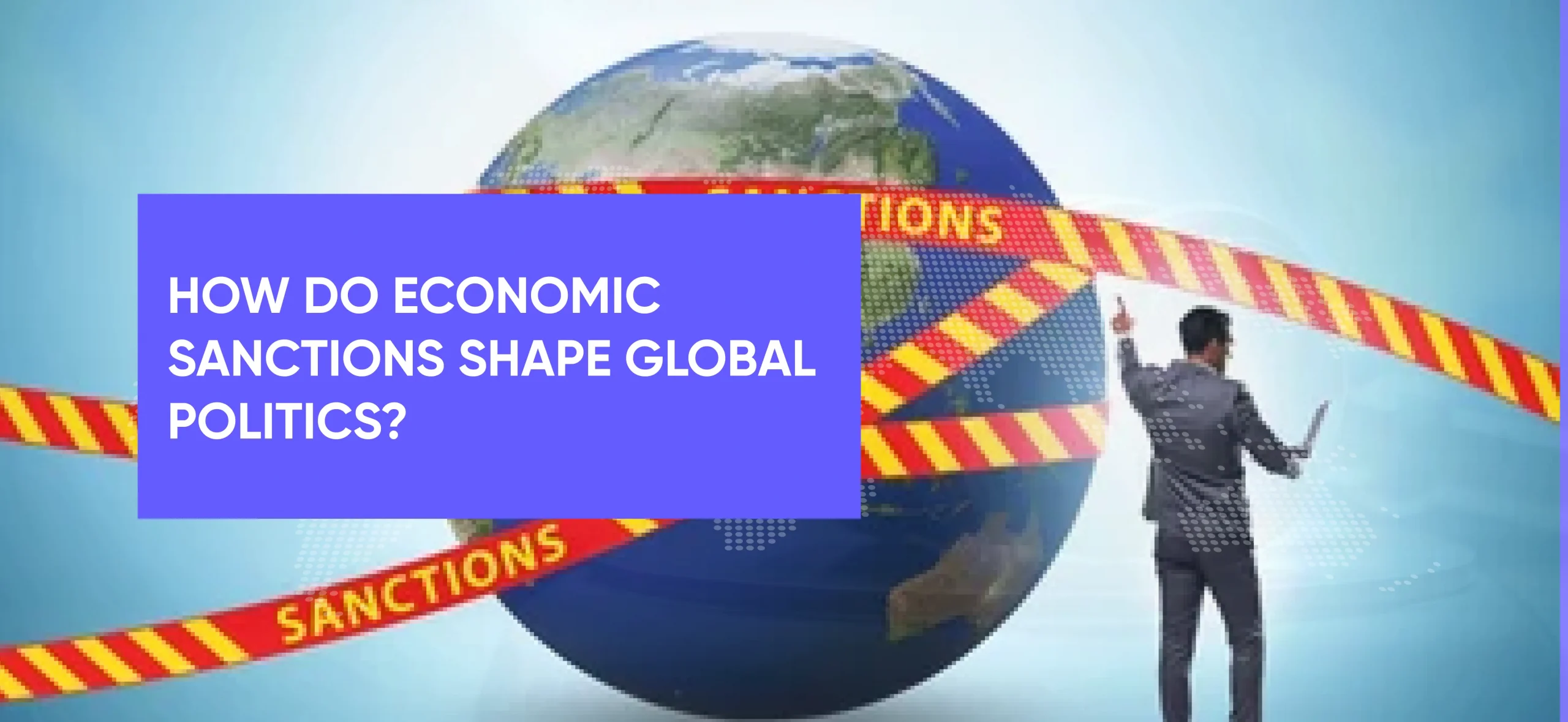
How do Economic Sanctions Shape Global Politics?
Sanctions
October 7, 2024


Economic sanctions have become one of the most widely used foreign policy tools to respond to armed conflicts, terrorism, nuclear proliferation, and human rights violations. As governments continue expanding sanctions programs, financial institutions and businesses face growing pressure to identify sanctioned individuals and organizations before establishing business relationships or processing transactions.
Following Russia’s invasion of Ukraine in 2022, the European Union, the United States, the United Kingdom, and several other jurisdictions introduced extensive sanctions targeting individuals, financial institutions, state-owned enterprises, and strategic industries.
This article explains how economic sanctions work, the different types of sanctions, who imposes them, and why sanctions screening has become an essential part of AML compliance.
The Fundamentals of Economic Sanctions
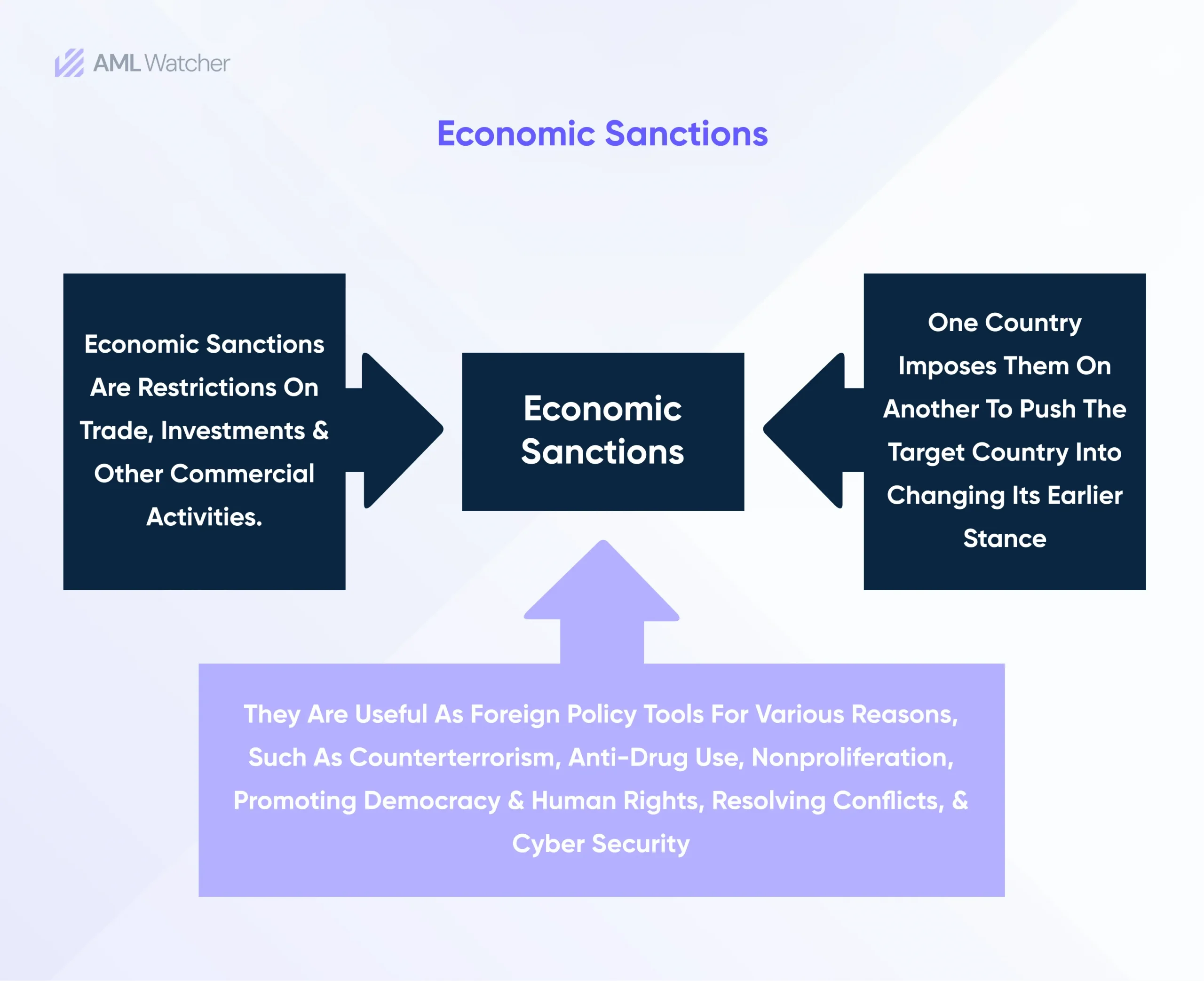
Economic sanctions are restrictions imposed by governments or international organizations to influence the behavior of countries, organizations, or individuals without the use of military force. These measures can restrict trade, financial transactions, investments, access to assets, or travel to encourage changes in political, economic, or security-related activities.
Rather than relying on military action, governments use sanctions to apply economic and diplomatic pressure. Depending on their objectives, sanctions may target entire countries, specific industries, organizations, or individuals.
Economic sanctions are an essential foreign policy tool specifically used by multilateral bodies or governments to limit a targeted country’s economic activities.
However, the effectiveness of accomplishing targeted policy objectives remains ambiguous. Economic sanctions take various forms, including embargoes, boycotts, blockades, economic coercion, and quarantine.
Types of Economic Sanctions
Economic sanctions are divided into two types:
- Primary sanctions
- Secondary sanctions
1. Primary Sanctions
Primary sanctions prohibit individuals and organizations under the sanctioning country’s jurisdiction from conducting business with sanctioned countries, entities, or individuals. For example, U.S. persons are generally prohibited from dealing with parties listed under OFAC sanctions programs.
2. Secondary Sanctions
Secondary sanctions apply to foreign individuals or organizations that conduct certain business with sanctioned parties. Rather than directly targeting the sanctioned country, these measures discourage third parties from maintaining prohibited commercial relationships.
How Economic Sanctions Have Evolved
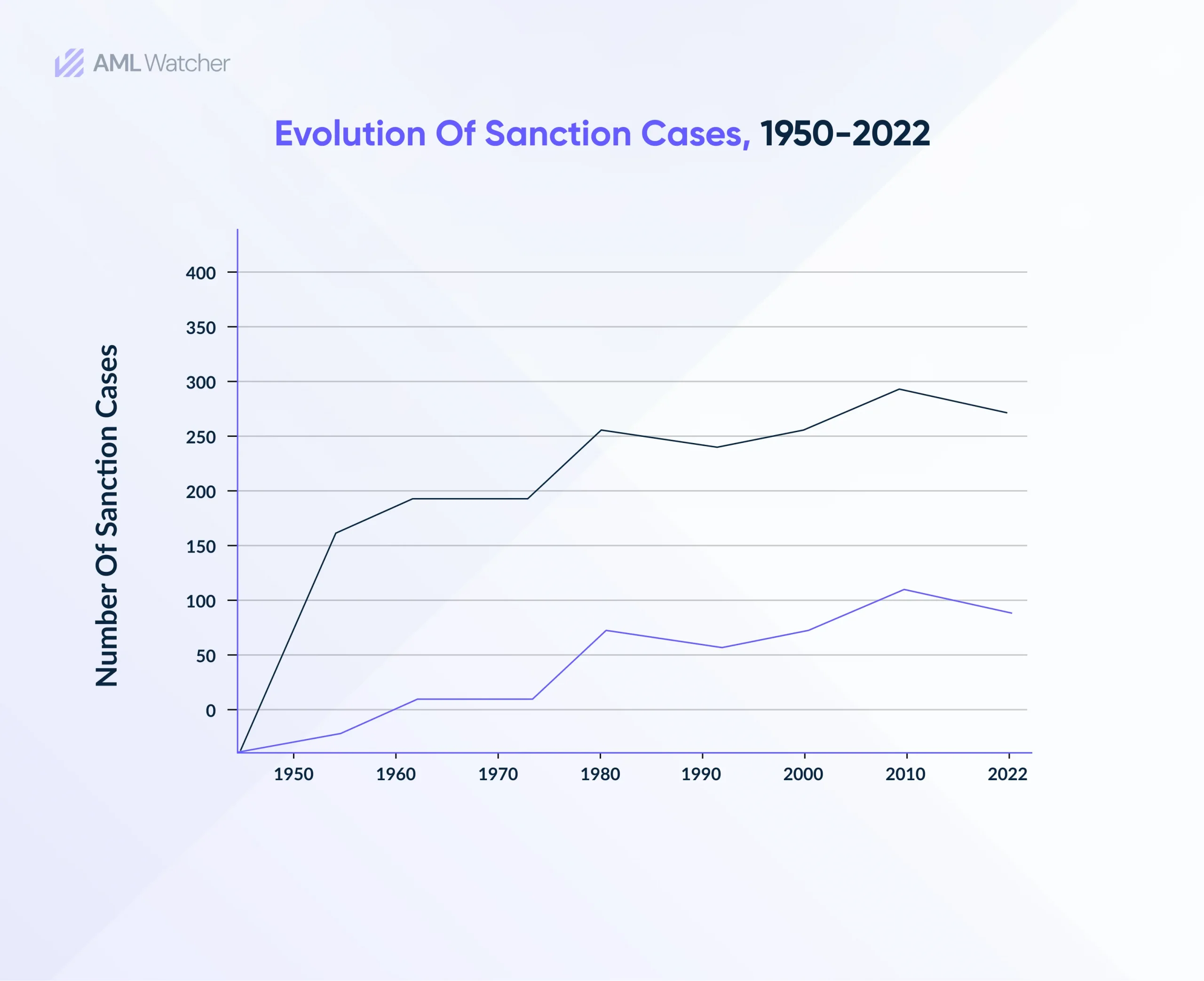
Economic sanctions have evolved from broad trade embargoes to more targeted financial measures designed to influence political and security outcomes while reducing unintended economic harm. One of the earliest examples was the United Nations sanctions against Rhodesia in 1966, followed by mandatory sanctions against South Africa to pressure the apartheid regime.
During the 1990s, comprehensive sanctions on Iraq highlighted the humanitarian consequences of restricting an entire country’s economy, prompting policymakers to adopt more targeted approaches. Sanctions against Iran later combined restrictions on banking, energy exports, and international trade to curb its nuclear program while allowing limited humanitarian exemptions.
More recently, the Russia-Ukraine war in 2022, governments introduced coordinated sanctions targeting financial institutions, state-owned enterprises, government officials, and high-risk individuals. Today, sanctions focus less on blanket trade restrictions and more on asset freezes, financial transaction limits, export controls, and travel bans. This shift has made sanctions screening and ongoing monitoring a fundamental compliance responsibility for financial institutions and regulated businesses.
How Economic Sanctions Influence Global Trade and Policy
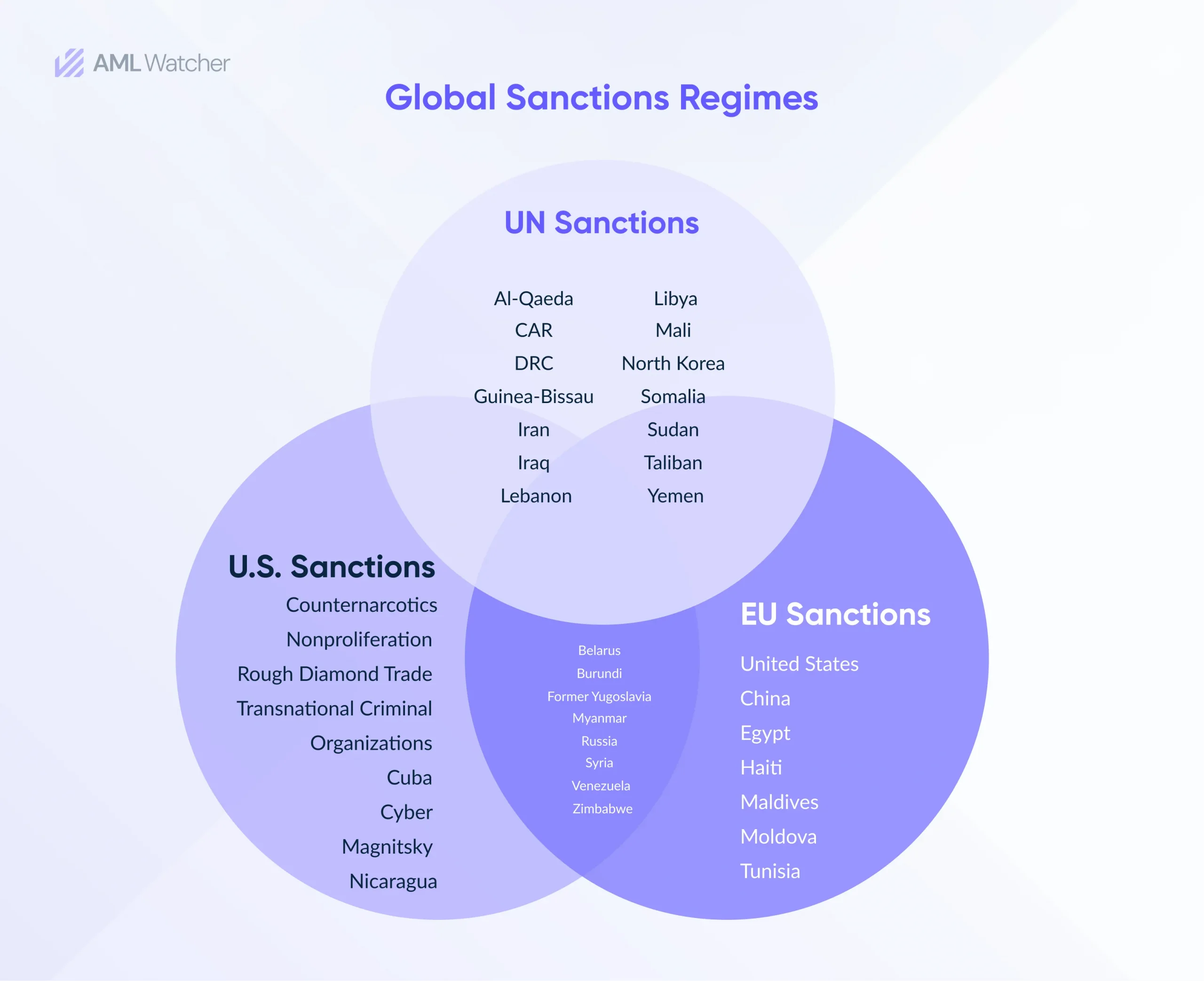
Economic sanctions have shaped international relations for decades. The following examples highlight how different countries have been targeted in response to security threats, human rights concerns, and geopolitical conflicts.
1. North Korea Sanctions
Since 2016, the US, the UN Security Council, and other countries have imposed unilateral sanctions on North Korea and implemented different unilateral sanctions on its nuclear weapons programs.
North Korea conducted a Cyberattack on Sony Pictures Entertainment and destroyed their computer system just to gain sensitive information in 2014
2. Cuba Sanction
In February 1962, President John F. Kennedy imposed an embargo on trade between Cuba and the US and required the US Department of Commerce to enforce it.
Many restrictions remain in place under various U.S. sanctions programs, although certain policies have changed over time.
This process occurred after the Cuban government took specific actions, such as nationalizing American-owned real estate properties and making strategies to increase trade with the Soviet Union.
3. Russia Sanctions
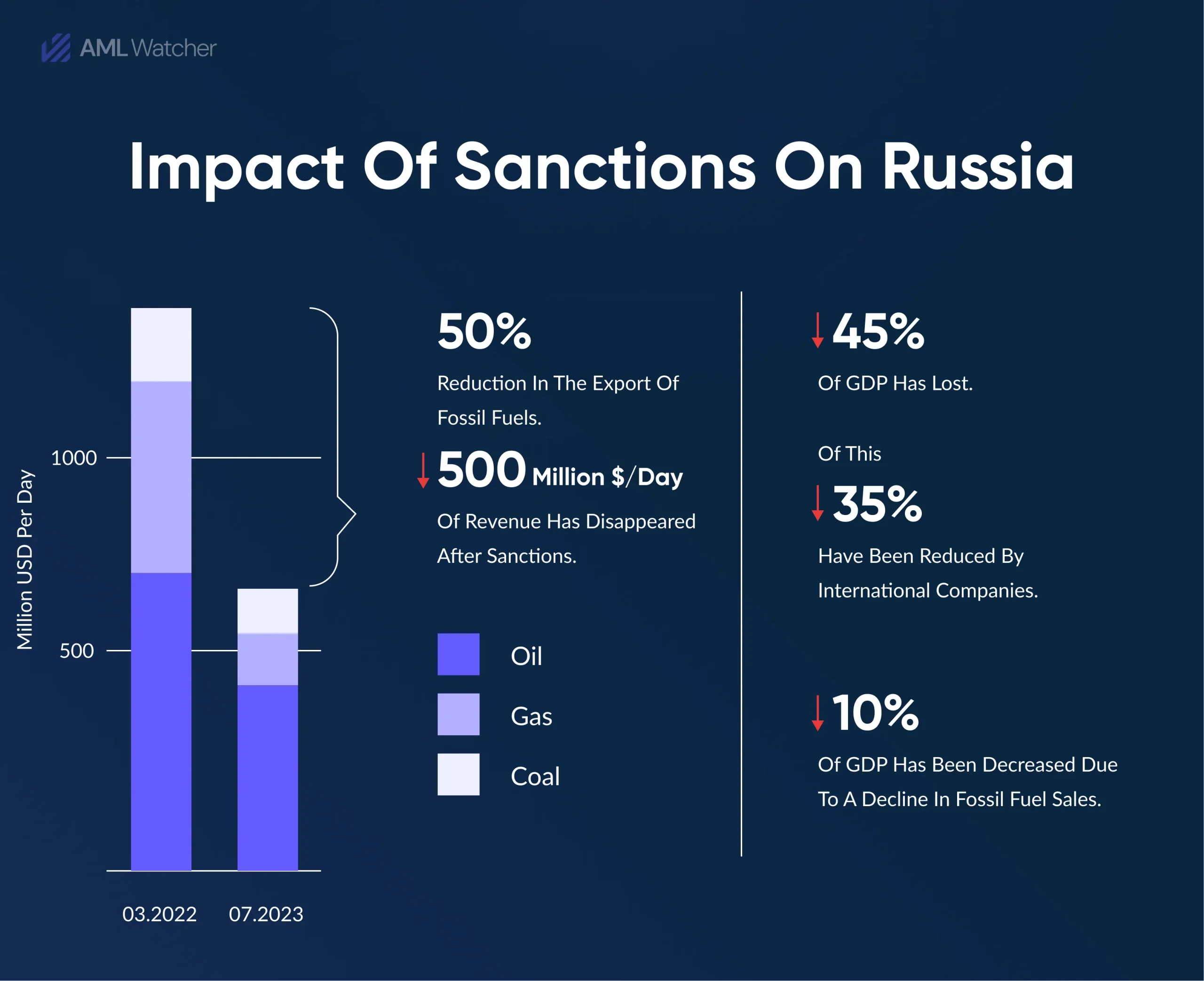
The US imposed different sanctions on Russia to cut off all technology and to reduce the strength of its military power after February 2022, when Russia tried to invade Ukraine.
Afterward, Russia tried to impose counter-sanctions in response, as Putin signed Decree No. 252, which states:
- Prohibit the export of Russian commodities and raw materials to sanctioned countries or third parties.
- Russian individuals, governments, organizations, and other multilateral bodies can’t conduct financial transactions with the sanctioned countries.
Why Do Governments Impose Economic Sanctions?
Governments impose economic sanctions to influence the behavior of countries, organizations, or individuals whose actions threaten international peace, security, or legal obligations. Rather than relying on military intervention, sanctions apply economic and financial pressure to encourage policy changes or deter unlawful activities.
Economic sanctions are commonly used to combat terrorism financing, prevent nuclear proliferation, address corruption, respond to armed conflicts, deter cybercrime, combat money laundering, and hold those responsible for human rights violations accountable. Depending on the objective, sanctions may restrict trade, financial transactions, investments, technology transfers, or access to assets.
Sanctions also carry a strong political message by demonstrating international opposition to objectionable actions while increasing the economic and diplomatic costs for the targeted parties. Although their effectiveness varies depending on the circumstances, sanctions often have the greatest impact during the first year, when trade disruptions, restricted financial flows, and limited access to international markets place immediate pressure on the targeted economy. Countries already facing economic instability are generally more vulnerable to these measures.
Role of OFAC in Economic Sanctions
Some US agencies and the Treasury Department implement different sanction programs for national security. The Office of Foreign Assets Control oversees and implements various US sanctions programs against targeted individuals and countries, as these measures are situation-specific.
The Office of Foreign Assets Control, part of the U.S. Department of the Treasury, administers and enforces U.S. economic and trade sanctions. OFAC maintains several sanctions lists, including the Specially Designated Nationals List, which identifies individuals, organizations, vessels, and entities subject to sanctions.
OFAC also maintains a list of “Specifically Designated Nationals” that includes organizations and individuals controlled by, or acting on behalf of, target countries that aren’t country-specific. U.S. persons are generally prohibited from conducting transactions with SDN-listed parties, and any assets subject to U.S. jurisdiction are typically blocked. After the 9/11 attacks, the use of economic sanctions has increased by approximately 933%.
How AML Watcher Simplifies Sanctions Compliance
Keeping pace with expanding sanctions programs has become more challenging as governments frequently update sanctions lists and regulatory requirements. Financial institutions need reliable screening capabilities to identify sanctioned individuals and organizations throughout the customer lifecycle.
AML Watcher’s sanctions screening solution helps businesses screen customers against global sanctions lists, supports ongoing monitoring, and strengthens compliance with evolving regulatory obligations.
Request a demo to learn how AML Watcher can simplify sanctions compliance.
Frequently Asked Questions
The name of the body that imposes sanctions on countries and individuals in the U.S. is the Office of Foreign Assets Control (OFAC), a division of the U.S. Department of the Treasury. It enforces and administers economic and trade sanctions based on U.S. foreign policy and national security objectives.
- No commitment needed
- Complete AML Database at your service
- Access our all-in-one dashboard


Tier-2 PSPs in ... must demonstrate automated monitoring, layered CDD, &...
See the Full Regulatory Expectation70–80% less manual work, 95% less fatigue, TruRisk Agent makes compliance effortless.
Experience Agentic AMLMove Beyond Articles. Activate AML Intelligence.
Switch to AML Watcher today and reduce your current AML cost by 50% - no questions asked.
- Find right product and pricing for your business
- Get your current solution provider audit & minimise your changeover risk
- Gain expert insights with quick response time to your queries