




 Alert!

News / U.S. Treasury Modernizes Sanctions List With 84 Delistings & Data Quality Updates
U.S. Treasury Modernizes Sanctions List With 84 Delistings & Data Quality Updates
Treasury removes outdated sanctions records, enhances identifying information, and consolidates duplicate entries to improve screening accuracy.04 min read
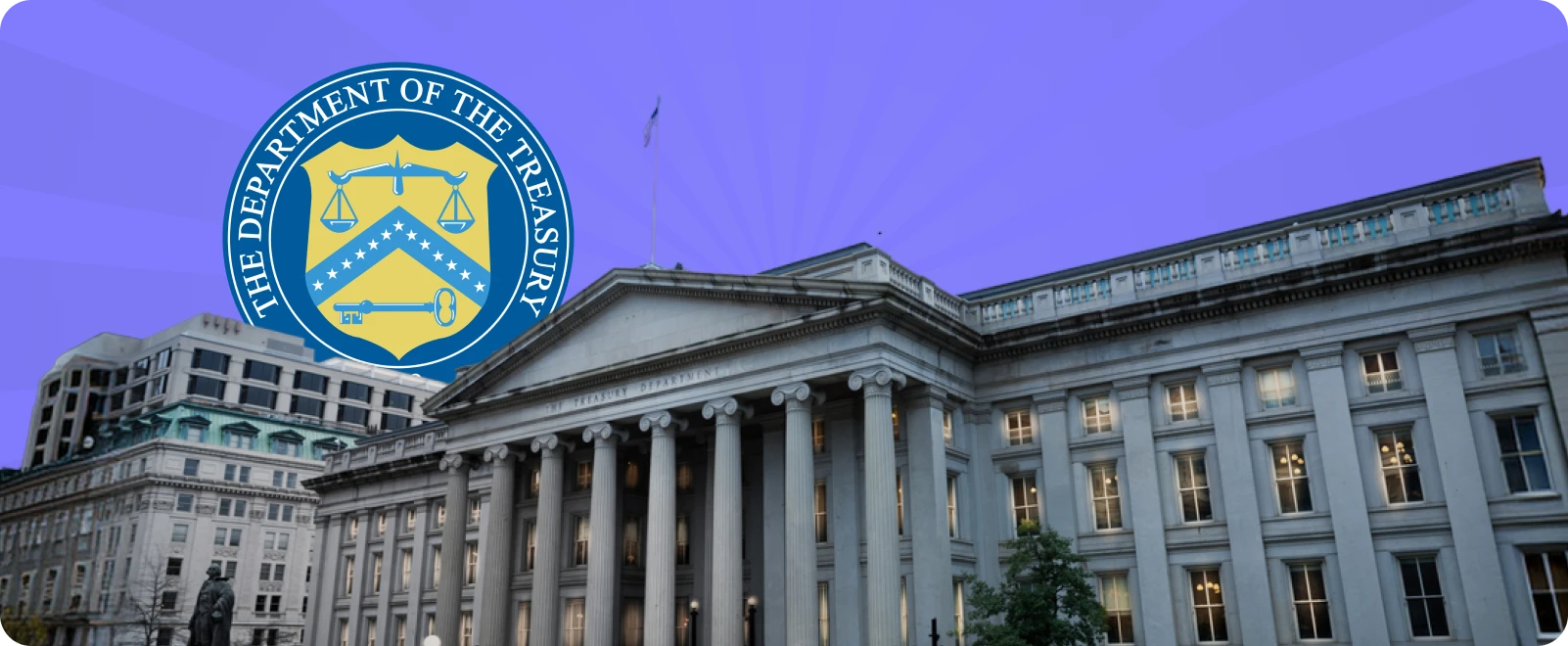
The U.S. Department of the Treasury’s Office of Foreign Assets Control (OFAC) has announced the second phase of its sanctions modernization initiative, removing 84 individuals and entities from U.S. sanctions lists while updating identifying information for 22 existing entries to improve sanctions data quality and compliance effectiveness.
The latest update focuses on removing outdated sanctions records, including deceased individuals, defunct organizations, and designations that no longer advance U.S. national security or foreign policy objectives. Following an interagency review, OFAC concluded that these removals would maintain sanctions effectiveness while reducing unnecessary complexity for compliance teams.
As part of the modernization effort, OFAC enhanced identifying information for 22 sanctions records by adding details such as dates of birth, nationalities, gender, and unique identification numbers. These improvements help financial institutions distinguish sanctioned parties more accurately, reducing false positives and improving sanctions screening precision.
OFAC also consolidated 18 duplicate entries across the Specially Designated Nationals (SDN) List, Sectoral Sanctions Identifications (SSI) List, and the Non-SDN Palestinian Legislative Council List. While duplicate records were removed, the underlying sanctioned individuals and entities remain fully designated, preserving enforcement while simplifying sanctions data management.
The initiative reflects OFAC’s broader strategy of strengthening sanctions programs through higher-quality, more actionable sanctions data rather than relying solely on new designations. Recent enhancements, including the agency’s online Reconsideration Portal for delisting requests, further demonstrate Treasury’s focus on maintaining accurate, transparent, and operationally effective sanctions lists.
Why It Matters for Compliance
The update highlights that the quality of the sanctions list is becoming as important as its growth. Cleaner, more accurate sanctions data helps organizations reduce false positives, improve customer screening accuracy, streamline investigations, and strengthen regulatory compliance. Financial institutions should ensure these lists are incorporated promptly into their sanctions screening systems.
How AML Watcher Helps
Effective sanctions compliance depends on timely, high-quality screening data.
AML Watcher helps organizations stay ahead through:
- Real-time sanctions screening across 215+ global sanctions regimes, including OFAC, with updates every 15 minutes.
- Comprehensive entity resolution and alias matching to improve screening accuracy.
- Continuously maintains sanctions intelligence that reflects delistings, updates, and list modifications as they occur.
- Advanced risk intelligence combining sanctions, PEPs, watchlists, and adverse media to reduce false positives while strengthening detection.
By leveraging continuously updated sanctions intelligence, AML Watcher enables compliance teams to maintain accurate, efficient, and risk-based screening programs as regulatory datasets evolve.


 03 min read

- Others
- September 11, 2026
 05 min read

- September 10, 2026
- 04 min read
Subscribe to our Newsletter
Our best articles, news and stories, delivered to your inbox every week.