




 Alert!

News / OFAC Issues General License 134B for Russian Oil Transactions
OFAC Issues General License 134B for Russian Oil Transactions
U.S. Treasury authorizes limited wind-down of Russian-origin oil shipments under strict timelines. AML Watcher highlights key compliance implications for sanctions screening.03 min read
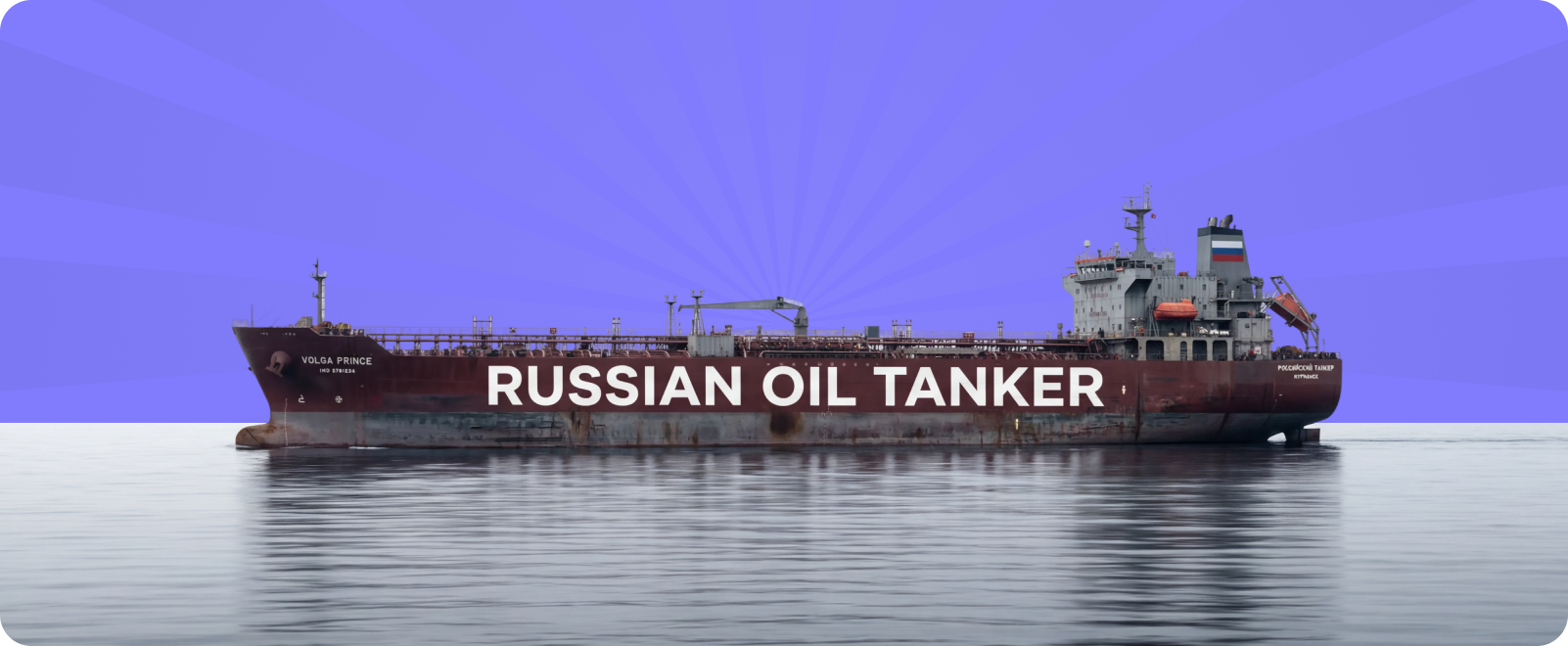
The Office of Foreign Assets Control (OFAC), under the U.S. Department of the Treasury, has issued General License 134B, It permitts certain transactions involving crude oil and petroleum products of Russian Federation origin.
Effective April 17, 2026, the license authorizes activities ordinarily incident and necessary to the sale, delivery, or offloading of Russian-origin oil loaded on vessels on or before April 17, 2026. These transactions are permitted until May 16, 2026, and offer a limited window for companies to wind down exposures tied to previously loaded shipments.
The authorization covers critical maritime and operational services that include:
- Vessel Docking
- Crew Safety
- Emergency Repairs
- Environmental Mitigation
- Insurance
- Bunkering
- Vessel Management
Notably, this applies even to vessels that may otherwise be blocked under relevant sanctions frameworks.
However, the license explicitly excludes transactions involving jurisdictions such as Iran, North Korea, Cuba, and certain regions of Ukraine, as well as any dealings prohibited under other sanctions programs, particularly those linked to Iranian-origin goods or entities.
This new issuance takes the place of the previous General License 134A and showcases ongoing regulatory changes under frameworks like the Russian Harmful Foreign Activities Sanctions Regulations and the Ukraine-/Russia-Related Sanctions Regulations. It also reflects several executive orders aimed at addressing Russian and Iranian activities.
For financial institutions and energy market participants, the compliance takeaway is clear:
Time-bound authorizations require precise tracking of shipment dates, counterparties, and service activities.
Firms must ensure strong sanctions screening and transaction monitoring to distinguish permitted wind-down activities from prohibited dealings, particularly where overlapping sanctions regimes apply.
The update reinforces the importance of dynamic sanctions compliance frameworks that can rapidly adapt to evolving geopolitical directives while maintaining audit-ready documentation.


 03 min read

- Others
- September 11, 2026
 05 min read

- September 10, 2026
- 04 min read
Subscribe to our Newsletter
Our best articles, news and stories, delivered to your inbox every week.